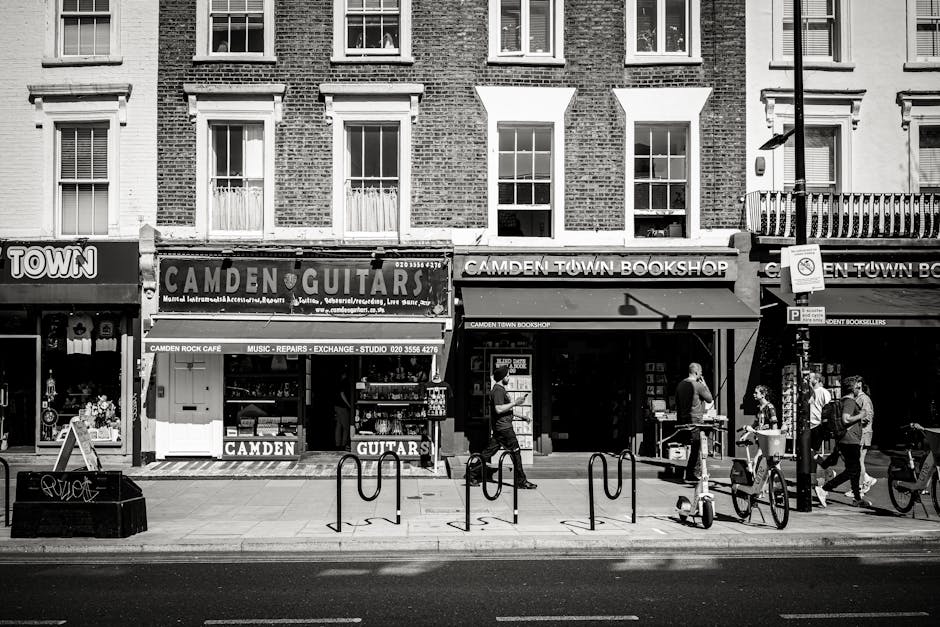
Camden Town removals in Camden Town

Camden Town removals in Camden Town should feel organised, careful and straightforward from the first conversation through to the last item placed in position. We provide a practical removals service for homes and businesses, helping with loading, transport and the considered handling of furniture, boxes and awkward items. The aim is simple: move your belongings with clear planning, sensible protection and an approach that keeps the day manageable.
Our work can suit full property moves, smaller loads and mixed contents where different rooms need different handling. Some customers need help with a flat or house move, while others want support moving office furniture, single items or a van-and-driver style job. Removals services can cover those different requirements, while keeping the process focused on what actually needs to be shifted rather than adding unnecessary extras.
When you ask for a price, it helps to explain the main items, any access issues and whether you need packing support or only transport. A brief list of rooms, furniture sizes and preferred dates is usually enough to start a useful conversation. If you are comparing options, ask for a quotation that reflects the load, route and handling needs rather than a generic estimate. That keeps expectations realistic and makes the service easier to plan.
House and flat removals
House and flat removals are often the core of the work, especially where furniture needs lifting through hallways, stairwells or shared entrances. We can help with everyday domestic items such as beds, wardrobes, sofas, tables, kitchen contents and boxed belongings. The service is designed to support a proper move rather than a rushed haul, so the arrangement of loading and unloading matters just as much as the vehicle itself. Careful sequencing helps avoid damage and wasted time.
For domestic customers, the main choices usually involve how much help is needed at each stage. Some moves only need transport, while others benefit from assistance with carrying, wrapping and separating fragile items from bulky ones. If you are weighing up a broader home move, home moves can be arranged around the contents and layout of the property, making it easier to decide what should travel together and what needs extra protection.
Useful preparation usually comes down to clarity rather than complexity. Have a rough inventory ready, identify anything especially heavy or delicate, and mention if parking, lift access or long walking distances could affect loading. Those details help shape the day and reduce surprises. Once the main plan is clear, the move becomes easier to manage because the work can be organised around the actual property rather than guessed in advance.
Moving heavier furniture and bulky items

Many removals jobs are defined by a few difficult pieces rather than by the total number of boxes. Large wardrobes, sectionals, fridge-freezers, cabinets and office desks may need careful turning, wrapping and team lifting. A good removals service pays attention to door widths, stair shapes and weight distribution so the load can be handled safely. This is especially useful where customers need a practical route for items that will not simply fit into a small vehicle unaided.
For individual pieces or partial loads, furniture pick-up can be a sensible option when the main task is collection and delivery rather than a full house move. That approach suits people replacing a single item, clearing a room or combining several purchases into one journey. It can also be useful where an item is too large to move by car but does not justify a complete relocation service.
In these jobs, the important point is not only size but handling. Heavy furniture may need blankets, straps and careful stacking so that surfaces stay protected during the journey. Items with drawers, glass or loose parts often benefit from being prepared before loading. A measured approach reduces the chance of scuffs or instability and helps the move feel orderly rather than improvised.
Packing support and item protection
Packing can be a major part of the work, especially when a property contains mixed breakables, books, kitchenware and personal items that need separating before transport. Some customers pack everything themselves, while others want help with specific rooms or fragile belongings. The right level of support depends on how much time you want to spend preparing and how carefully items need to be grouped for the move. Packing support is often most valuable where there are many smaller objects rather than only a few large ones.
If you want help with boxes, wrapping or unpacking after delivery, packing and unpacking services can sit alongside the move so the handover is smoother. This is particularly useful where you are moving into a property that needs essentials set aside quickly, or where breakables need more attention than can be given during loading alone. It is a practical way to keep the move moving without turning it into a separate project.
The simplest preparation is usually to sort items into clear groups and identify anything that must travel with extra care. Keep documents, medication, valuables and important daily-use items separate from general household contents. If you are packing in stages, label rooms and note fragile boxes clearly. These small steps do not take long, but they make the removal day easier to direct and easier to settle afterwards.
Commercial moves and office removals

Commercial moves need a different rhythm from domestic removals because desks, filing, computer equipment and business stock often have to be moved around working hours or in stages. We can help with office furniture, general contents and practical relocation tasks that keep the move focused on getting the premises cleared and re-established. A commercial removals plan usually depends on access, item sensitivity and the order in which work areas need to be emptied.
Where businesses need a fuller relocation, office removals offer a more targeted approach to desks, chairs, storage units and equipment. That can help if you are shifting a small workspace, a shared office or a larger team area that needs careful sequencing. For organisations moving between sites, office relocation services can support a more structured process that reduces disruption to the working day.
It is sensible to identify priority items, networked equipment and anything that should be moved last or set up first. A business move often benefits from one person being responsible for final decisions on room order and item placement. That makes it easier to avoid confusion on the day and helps the crew concentrate on loading and unloading rather than waiting for repeated instructions.
Vehicle options for removals work
Different moves call for different transport. A full removal may need a larger vehicle and a more extensive loading plan, while smaller deliveries or part-load jobs can be handled with a more compact setup. Choosing the right vehicle is about matching the load to the journey, not simply picking the biggest van available. That approach can reduce wasted space and makes the move more efficient from both sides.
For customers who need a flexible transport-only arrangement, man and van support can be appropriate for smaller removals, single-room moves or mixed items that do not justify a large team. If the job needs a slightly different vehicle description, moving van and removal van pages indicate the kind of transport-focused service that may fit a straightforward local move. Where larger loads are involved, moving truck arrangements may be more suitable.
For customers comparing service style rather than vehicle size alone, it helps to think about loading help, access, item fragility and the distance between properties. A good fit is usually the one that balances capacity with practicality. If the move is straightforward, you may only need transport and carrying support. If it is more involved, the plan should reflect the layout and handling needs rather than forcing everything into one generic option.
Removals for different property types

Removals are rarely identical from one property to the next. A top-floor flat, a terraced house and a shared office all present different access and handling challenges, even where the volume of items is similar. That is why a removals service works best when it is shaped around the property type, the route out of the building and the destination layout. Practical planning matters because it determines how the day begins and how the load is sequenced.
Where a domestic move needs a broader service description, house removals and house movers can describe the support more precisely, while house removalists is another way of identifying a team-based move for larger household contents. If you are moving a business rather than a home, the commercial side of the work can be aligned with commercial moves so the service language matches the job more closely.
In practice, the best approach is the one that keeps the operation tidy and the load easy to follow. That may mean moving larger pieces first, separating fragile boxes from heavier ones or planning the order so the destination rooms can be filled without reshuffling. Simple organisation is often more valuable than complicated promises, because it keeps the move under control from start to finish.
About Camden Town
Camden Town is a district in the London Borough of Camden, immediately north of central London and closely associated with the Regent’s Canal, the River Fleet valley and the route of the old New Road. It developed rapidly in the late eighteenth and nineteenth centuries as London expanded northwards, with residential terraces, warehouses and transport links shaping much of its later form. Today the area is known for Camden Market, the lock and canal basin, and a dense street pattern that reflects long periods of urban growth rather than one single planned layout. The nearby railway infrastructure, including Camden Road and Camden Town Underground station, helped make the district a major point of movement and exchange. Its architecture is varied: converted industrial buildings sit alongside Victorian terraces, post-war estates and later redevelopment, giving the neighbourhood a layered appearance that feels very different from more uniform parts of inner London. The canal towpaths and green spaces nearby connect it to Regent’s Park and Primrose Hill, while the street market and music venues have given the district a strong cultural identity. Camden Town also sits within a wider area of pubs, live performance spaces, shops and food stalls, so daily life mixes local routines with constant visitor activity. The result is a place with a clear sense of place, built from transport history, commercial activity and a long-established role as one of London’s more recognisable urban districts.
Planning your removal day
Good planning does not mean overcomplicating the move; it means giving the work a clear shape. Decide which rooms must be cleared first, which items need special handling and what should remain accessible until the last minute. If the property includes storage cupboards, loft space or a cellar, it is worth noting those separately because they often contain items that are easy to overlook. That extra clarity helps the move run in a more steady order.
When you are ready to talk through the move, it helps to give a short description of the property, the quantity of furniture and whether packing has already started. If possible, identify anything especially bulky or awkward, such as glass-topped tables, white goods or items that may need dismantling before they can travel. Pricing and quotes can then be discussed in a way that reflects the actual job rather than an arbitrary figure.
People often try to do too much in the final twenty-four hours. A better approach is to finish labelling, separate anything that must stay with you during the journey and keep pathways clear for loading. If you need more than transport alone, say so early. Clear instructions save time, and they also make it easier to agree a removals plan that matches the property and the contents.
Useful choices before you book

Before you choose a removals service, it helps to think about the balance between capacity, handling support and the type of journey involved. Some moves are best handled by a larger team with more careful loading, while others only need a van, one or two crew members and a straightforward route between addresses. The main decision is not just how much fits in the vehicle, but how confidently the contents can be moved without rushing or repeated repositioning.
- Check whether you need packing, loading, transport or only collection and delivery.
- Note any access issues such as stairs, tight corners, limited parking or long carries.
- List fragile, heavy or dismantled items so they can be planned in advance.
- Decide whether the move is domestic, commercial or a single-item job.
- Keep key contact details and moving-day instructions together in one place.
When you are ready to take the next step, plain text is enough to begin, but a proper enquiry should still be specific. If you want help with the service options above, speak to us about the size of the load, the access at both ends and the date you hope to move. For a direct starting point, use contact us and ask for a quotation that matches the work you actually need done.